


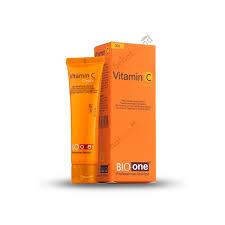
Introduction: Why Vitamin C Matters for Your Skin
In the world of skincare, few ingredients have captured attention like vitamin C. Known for its powerful antioxidant properties, vitamin C cream has become a staple for those seeking brighter, healthier, and more resilient skin. Beyond its cosmetic appeal, vitamin C plays a vital role in protecting skin from environmental stressors, repairing damage, and boosting natural glow.
Unlike serums or supplements, creams provide the added benefit of hydration, making them a practical choice for daily use while delivering the antioxidant power directly where it matters—your skin.
How Vitamin C Cream Works
Vitamin C cream works on multiple levels to improve skin health. First, it neutralizes free radicals caused by sun exposure, pollution, and stress. This antioxidant effect helps prevent premature aging, reducing fine lines and wrinkles over time.
Secondly, vitamin C supports collagen production. Collagen is a protein that maintains skin elasticity and firmness. Regular use of a vitamin C cream can lead to firmer, smoother skin while promoting a more youthful appearance.
Finally, vitamin C helps even out skin tone. It can fade dark spots, hyperpigmentation, and sun damage, resulting in a brighter, more uniform complexion.
Key Benefits of Using Vitamin C Cream
1. Brightens Dull Skin
One of the most noticeable effects of vitamin C cream is its ability to revitalize dull or tired-looking skin. It stimulates cell turnover, revealing fresher, luminous skin beneath the surface.
2. Reduces Dark Spots and Hyperpigmentation
Vitamin C inhibits excess melanin production, making it effective against dark spots, age spots, and post-acne marks. With consistent use, it helps achieve a more even and radiant skin tone.
3. Protects Against Environmental Damage
Vitamin C cream forms a protective barrier that shields the skin while neutralizing harmful agents, helping maintain healthy skin long-term.
4. Boosts Hydration
Unlike pure vitamin C serums, creams are typically formulated with moisturizing ingredients like hyaluronic acid or natural oils. This combination ensures the skin stays hydrated, soft, and supple.
Choosing the Right Vitamin C Cream
Selecting the best vitamin C cream requires understanding your skin type and the formulation.
-
For Sensitive Skin: Look for creams with a lower concentration of vitamin C or combined with soothing ingredients like aloe vera.
-
For Oily or Acne-Prone Skin: Opt for lightweight, non-comedogenic creams that deliver vitamin C without clogging pores.
-
For Mature Skin: Higher concentrations of vitamin C combined with peptides or hyaluronic acid can provide anti-aging benefits.
Check the ingredient list for stabilized vitamin C forms, such as sodium ascorbyl phosphate or ascorbyl glucoside, which are less likely to degrade and provide consistent results.
How to Use Vitamin C Cream Effectively
To maximize benefits, apply vitamin C cream on clean skin, preferably in the morning before sun exposure. Using it alongside sunscreen enhances protection against UV damage and prevents new dark spots from forming.
For optimal results, pair your vitamin C cream with a gentle cleanser and moisturizer. Avoid combining it with highly acidic exfoliants or retinoids unless your skin is accustomed to layering treatments, as this can cause irritation.
Tips for Best Results
-
Use consistently; visible improvements usually appear after 4–6 weeks of daily application.
Conclusion: Why Vitamin C Cream Is a Skincare Essential
A vitamin C cream is more than a beauty product—it’s an investment in skin health. By combining antioxidant protection, hydration, and brightening effects, it addresses multiple skin concerns simultaneously.
Incorporating this cream into your daily routine can lead to a firmer, smoother, and more radiant complexion. Whether your goal is to fight early signs of aging, reduce dark spots, or simply maintain healthy skin, vitamin C cream offers a reliable, scientifically-backed solution that works for a variety of skin types.

 Arabic
 French
 Spanish
 Portuguese
 Deutsch
 Turkish
 Dutch
Dutch
 Italiano
 Russian
 Romaian
 Portuguese (Brazil)
 Tiếng Việt