


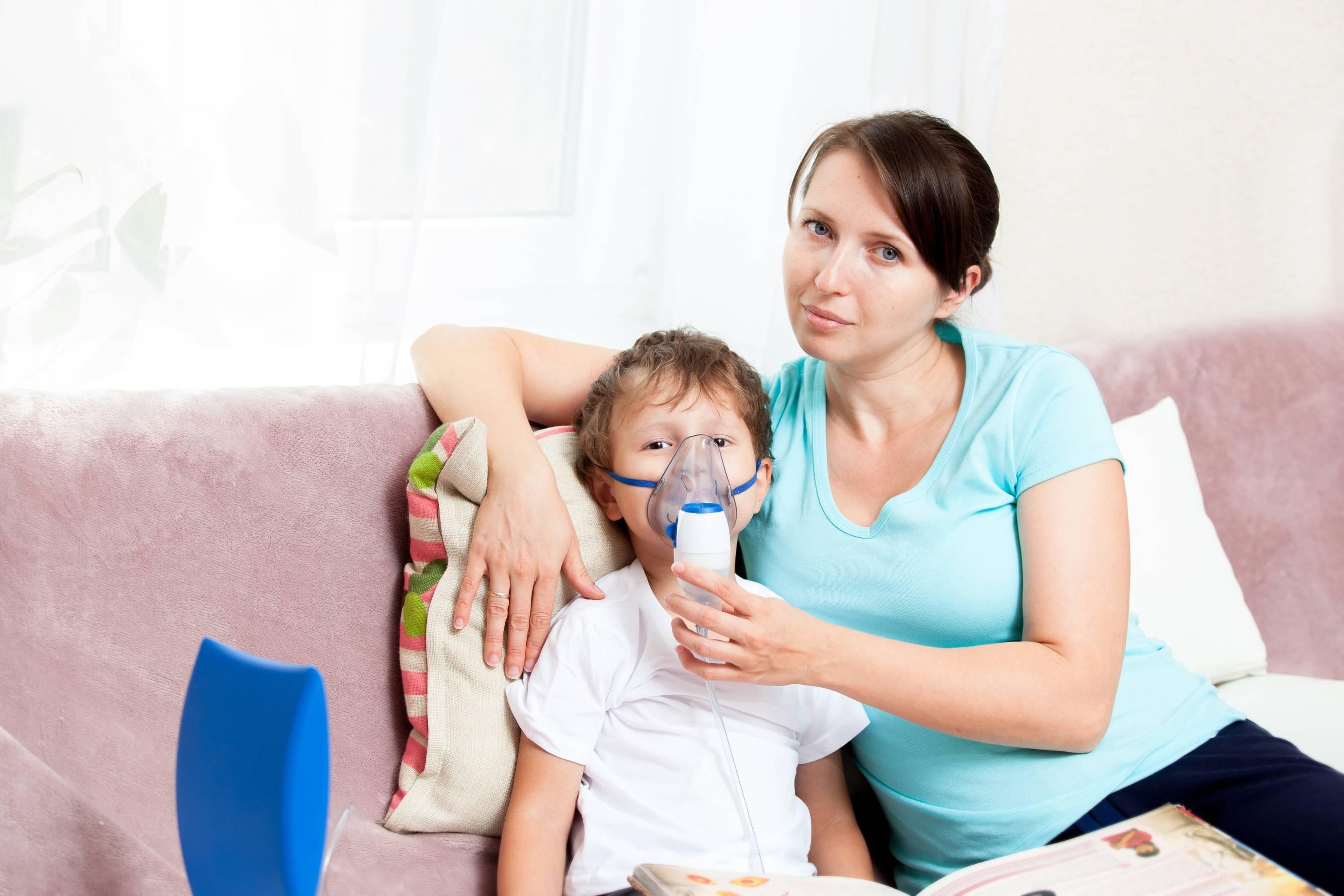
Quality sleep is essential for physical recovery, mental clarity, and overall well-being, yet many individuals with respiratory or cardiovascular conditions struggle to maintain stable oxygen levels at night. When oxygen saturation drops during sleep, it can lead to restlessness, frequent awakenings, and daytime fatigue. Home oxygen therapy is often prescribed to support consistent oxygen delivery in a comfortable home environment, helping individuals breathe more easily and experience deeper, more restorative rest. By understanding how oxygen therapy influences sleep and relaxation, patients can better appreciate its role in improving nightly recovery and daily energy levels.
How Oxygen Levels Affect Sleep Quality:
During sleep, breathing naturally becomes slower and more shallow, which can cause oxygen levels to dip in individuals with compromised lung or heart function, and these fluctuations may interrupt sleep cycles, reduce time spent in restorative deep sleep stages, and trigger brief awakenings that disrupt overall restfulness.
The Link Between Low Oxygen and Sleep Disruption:
When oxygen saturation falls below healthy levels, the body responds by increasing heart rate and stimulating brief awakenings to restore normal breathing patterns, and this repeated cycle can result in:
-
Frequent nighttime awakenings
-
Morning headaches
-
Daytime drowsiness
-
Difficulty concentrating
-
Irritability or mood changes
Maintaining stable oxygen levels helps prevent these interruptions and supports uninterrupted sleep cycles.
How Oxygen Therapy Supports Restful Sleep:
Supplemental oxygen increases the concentration of oxygen available during inhalation, improving oxygen diffusion into the bloodstream and stabilizing saturation levels overnight, which allows the body to remain in deeper stages of sleep for longer periods without repeated stress responses triggered by oxygen deprivation.
Reducing Nighttime Breathlessness:
Many individuals experience shortness of breath when lying flat, particularly those with chronic lung disease or heart failure, and oxygen therapy helps alleviate this discomfort by ensuring adequate oxygen intake, making it easier to breathe comfortably while resting.
Enhancing Relaxation Before Bed:
Adequate oxygen delivery supports the nervous system by reducing the physical stress associated with labored breathing, and when breathing feels easier and more controlled, the body can transition more smoothly into a relaxed state conducive to falling asleep naturally.
Supporting Brain Function During Sleep:
The brain relies heavily on oxygen even during rest, and consistent oxygen saturation helps maintain healthy brain activity patterns throughout the night, promoting cognitive recovery, memory consolidation, and emotional balance.
Benefits for Individuals with Chronic Conditions:
People living with chronic obstructive pulmonary disease (COPD), pulmonary fibrosis, or certain heart conditions may benefit significantly from nighttime oxygen support, as it can:
-
Improve oxygen saturation stability
-
Reduce cardiovascular strain
-
Lower nighttime anxiety
-
Promote longer periods of uninterrupted sleep
-
Support overall organ recovery
These improvements contribute to better daytime functioning and reduced fatigue.
The Role of Oxygen in Stress Reduction:
When the body struggles for air, it activates stress hormones that increase heart rate and blood pressure, but stabilizing oxygen levels can reduce this physiological stress response, encouraging a calmer, more relaxed state before and during sleep.
Safe Use of Oxygen Equipment at Night:
Safety remains a priority when using oxygen therapy during sleep, and patients should:
-
Keep equipment away from open flames
-
Avoid smoking in the home
-
Ensure tubing is positioned to prevent tripping
-
Maintain clean nasal cannulas and masks
-
Follow prescribed flow rates exactly
Adhering to these guidelines ensures both safety and optimal oxygen delivery.
Improving Daytime Energy Through Better Sleep:
When nighttime oxygen levels remain stable, the body experiences deeper restorative sleep, which often results in improved daytime alertness, stronger immune function, and better emotional resilience, reinforcing the connection between healthy breathing and overall wellness.
Final Thoughts:
For individuals struggling with disrupted sleep due to low oxygen levels, Home oxygen therapy can provide meaningful support by stabilizing nighttime oxygen saturation, reducing breathlessness, and promoting relaxation; when used safely and consistently under medical guidance, oxygen therapy not only enhances sleep quality but also contributes to improved daily energy, cognitive clarity, and long-term health stability.

 English
 Arabic
 French
 Spanish
 Portuguese
 Deutsch
 Turkish
 Italiano
 Russian
 Romaian
 Portuguese (Brazil)
 Tiếng Việt