


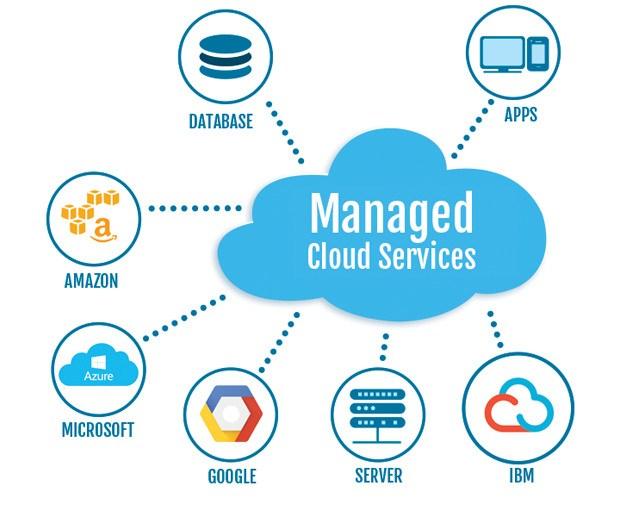
The abstract concept of "managed services" is made tangible through a diverse and comprehensive portfolio of Cloud Managed Services Solutions that are designed to offload the operational burden of the cloud from businesses. These are not one-size-fits-all offerings but are modular and customizable services that can be tailored to meet the specific needs of a client, from basic monitoring to full, end-to-end management of their entire cloud estate. These solutions are the practical application of a partnership model where a business can leverage the deep expertise of a Managed Service Provider (MSP) to ensure their cloud environment is secure, performant, and cost-effective. Understanding this modern IT playbook is key to appreciating the specific ways in which businesses are using managed services to accelerate their cloud journey and focus on their core business, not on managing infrastructure.
One of the most foundational and widely adopted solutions is Managed Infrastructure as a Service (IaaS). This is the core offering for most MSPs. It involves the 24/7 management and monitoring of a client's fundamental cloud resources, such as their virtual servers (EC2 instances, VMs), storage volumes, and virtual networks. This solution includes a range of essential operational tasks, such as applying operating system patches to protect against vulnerabilities, performing regular backups of data to ensure recoverability, and implementing a disaster recovery (DR) plan. The MSP's network operations center (NOC) continuously monitors the health and performance of the infrastructure, responding to alerts and resolving issues, often before the client is even aware of them. This solution provides the basic "keeping the lights on" service that is the bedrock of a stable cloud environment.
A second, and rapidly growing, category of solutions is focused on Managed Cloud Security. As businesses move more sensitive workloads to the cloud, security becomes a paramount concern, and cloud security is a highly specialized field. A managed security solution involves the MSP taking responsibility for the client's cloud security posture. This can include configuring and managing cloud-native security tools like security groups and web application firewalls (WAFs), managing identity and access management (IAM) policies, and deploying and managing advanced threat detection and response (MDR/XDR) solutions. The MSP's security operations center (SOC) provides 24/7 threat monitoring and incident response, acting as the client's expert cybersecurity team in the cloud. The Cloud Managed Services Market Size is Growing at a CAGR of 8.16%, likely to Reach from USD 46.81 Billion to USD 110.94 Billion During 2025 - 2035.
A third, and increasingly critical, solution is Cloud Financial Management, or FinOps. The pay-as-you-go nature of the cloud can be a double-edged sword, leading to uncontrolled spending and "bill shock" if not managed carefully. A FinOps managed service solution is designed to solve this problem. The MSP uses specialized tools to provide detailed visibility into the client's cloud spending, breaking it down by project, department, or application. They continuously analyze this data to identify areas of waste, such as idle or overprovisioned resources. The solution then involves working with the client to implement cost optimization strategies, such as rightsizing instances, scheduling resources to turn off when not in use, and leveraging cost-saving purchasing options like reserved instances or savings plans. This solution can often deliver cost savings that far exceed the MSP's management fee, providing a clear and direct return on investment.
Explore Our Latest Trending Reports:

 English
 Arabic
 French
 Spanish
 Portuguese
 Deutsch
 Turkish
 Italiano
 Russian
 Romaian
 Portuguese (Brazil)
 Tiếng Việt