


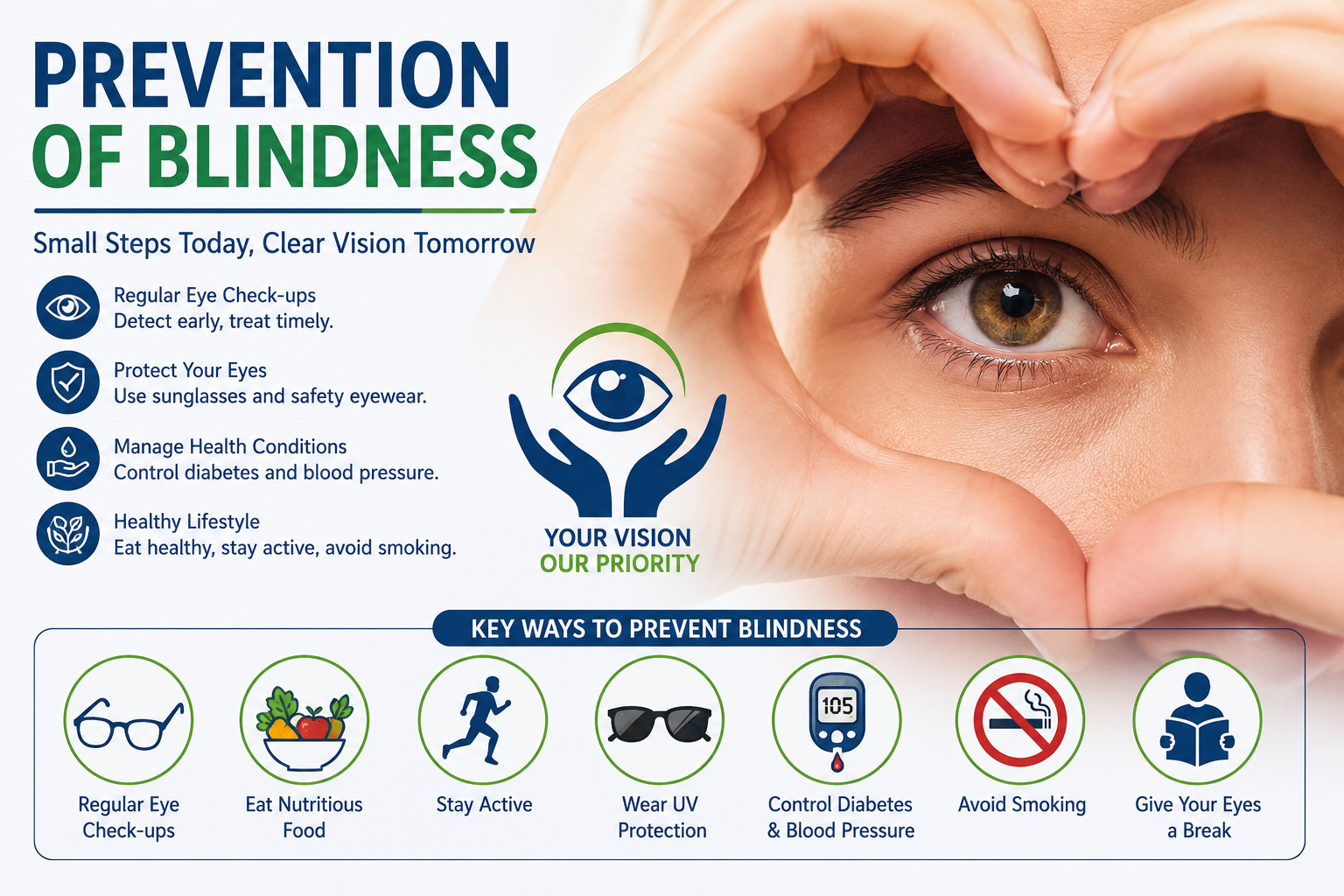
Vision rarely disappears all at once. In many cases, it fades quietly, so gradually that people fail to notice until permanent damage has already occurred. Among the leading causes of irreversible vision loss worldwide, glaucoma stands out as one of the most dangerous precisely because it often develops without warning signs. By the time symptoms become obvious, critical damage to the optic nerve may already be irreversible. That is why early diagnosis has become the foundation of modern prevention of blindness strategies.
Understanding What Glaucoma Really Is
Glaucoma is not a single disease but a group of eye conditions that damage the optic nerve, usually due to increased pressure inside the eye. The optic nerve acts as the communication pathway between the eyes and the brain. Once this nerve is damaged, lost vision cannot be restored. This reality makes timely intervention more important than ever.
One of the most concerning aspects of glaucoma is its silent progression. Many patients experience no pain, redness, or noticeable vision problems during the early stages. Peripheral vision often deteriorates first, making it difficult for individuals to detect changes in daily life. Over time, untreated glaucoma can lead to tunnel vision and eventually complete blindness.
Why Early Detection Changes Everything?
Globally, aging populations and increased screen exposure are contributing to growing concerns about eye health. More people are spending years with untreated eye strain, diabetes, hypertension, and other health conditions that increase glaucoma risk. As a result, eye specialists are emphasizing proactive screenings instead of waiting for symptoms to appear.
Routine eye examinations can detect glaucoma long before noticeable vision loss occurs. Advanced diagnostic tools now allow eye specialists to measure intraocular pressure, examine the optic nerve, and assess peripheral vision with remarkable precision. These screenings are especially critical for adults over 40, individuals with diabetes, people with a family history of glaucoma, and those with high blood pressure.
The Role of Timely Specialist Care
The good news is that glaucoma can often be managed successfully when detected early. Treatment options may include medicated eye drops, laser therapy, or surgical procedures designed to reduce eye pressure and slow disease progression. While treatment cannot reverse existing damage, it can significantly preserve remaining vision and improve long-term quality of life.
Access to timely specialist care also plays a major role in effective treatment outcomes. Patients today are increasingly seeking an ophthalmologist in Berlin with no waiting time because delays in diagnosis can allow glaucoma to progress silently. Fast access to eye care professionals ensures earlier intervention, more consistent monitoring, and better management of risk factors associated with vision loss.
Modern Technology and the Future of Eye Health
Technology is also transforming glaucoma care. Artificial intelligence-assisted imaging, digital retinal scans, and minimally invasive glaucoma surgeries are helping ophthalmologists detect and treat the condition with greater accuracy than ever before. These innovations are making eye care more preventive rather than reactive, shifting the focus toward preserving vision instead of responding to advanced damage.
Public awareness remains equally important. Many people still associate blindness only with aging or accidents, without realizing that regular eye exams can prevent severe vision loss. Educational campaigns encouraging yearly eye screenings are becoming essential components of global prevention of blindness initiatives. The earlier glaucoma is identified, the greater the opportunity to protect lifelong vision.
Protecting Vision for the Future
Healthy lifestyle habits can further support eye health. Maintaining stable blood pressure, controlling blood sugar levels, exercising regularly, avoiding smoking, and following a nutrient-rich diet all contribute to overall ocular wellness. Although these habits cannot eliminate glaucoma risk entirely, they can help reduce complications and support better long-term eye function.
Protecting vision requires more than reacting to symptoms, it requires vigilance before symptoms even begin. Glaucoma continues to challenge millions of people worldwide, but early detection offers a powerful defense against irreversible blindness. In a world where digital lifestyles and aging populations are increasing eye health risks, regular screenings and prompt specialist care have never been more valuable.

 Arabic
 French
 Spanish
 Portuguese
 Deutsch
 Turkish
 Dutch
Dutch
 Italiano
 Russian
 Romaian
 Portuguese (Brazil)
 Tiếng Việt