


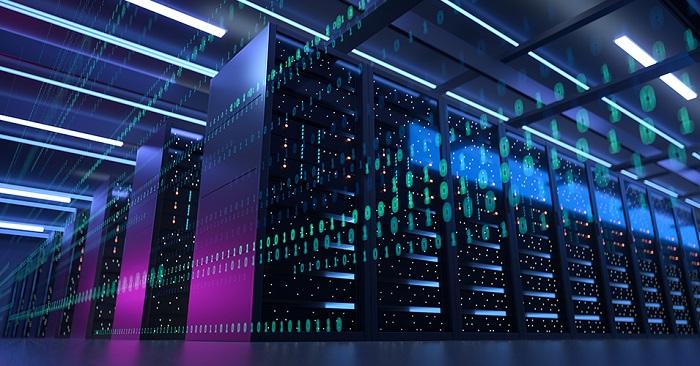
The data center industry is in a state of perpetual evolution, and with this change comes a wealth of new and expanding Data Center Cooling Market Opportunities that extend far beyond the traditional sale of air conditioners. As the demands for computational power, energy efficiency, and sustainability converge, innovative vendors are finding new avenues to create value and capture growth. These opportunities are emerging across the entire lifecycle of a data center, from design and construction to operation, maintenance, and eventual decommissioning. The most forward-thinking companies are no longer just product manufacturers; they are becoming integrated service providers, software developers, and strategic partners, helping their clients navigate the complex thermal challenges of the modern digital landscape. The ability to identify and capitalize on these next-generation opportunities will be the key differentiator between a simple component supplier and a true market leader in the coming decade.
One of the most significant opportunities lies in the retrofitting and upgrading of existing data centers. A vast global portfolio of data centers was built during an era of lower power densities and less stringent efficiency standards. Many of these facilities are now thermally constrained, unable to support modern, high-performance servers, and are operating with poor Power Usage Effectiveness (PUE). This creates a massive brownfield opportunity for cooling vendors. The opportunity is not just to replace old CRAC units with new ones, but to offer a comprehensive upgrade solution. This could involve installing advanced airflow management systems like hot/cold aisle containment, deploying in-row or rear-door liquid cooling to create high-density zones within the existing facility, and implementing sophisticated control software to optimize the entire thermal plant. By providing solutions that allow operators to extend the life of their existing assets and significantly improve their operational efficiency without the massive cost of a new build, vendors can tap into a huge and underserved segment of the market.
Another major growth opportunity is the development and sale of intelligent, AI-powered software and control systems. Modern data center cooling is no longer a "set it and forget it" operation. The most efficient facilities use sophisticated software platforms that continuously monitor a vast network of sensors—tracking temperatures, pressures, and power draw throughout the data hall. This software, often powered by AI and machine learning algorithms, can dynamically adjust the cooling output in real-time, matching it precisely to the IT load. This prevents overcooling, which is a major source of wasted energy, and can predict and pre-emptively respond to potential thermal issues. The opportunity here is to sell not just the hardware, but a recurring-revenue software and analytics service that provides actionable insights, capacity planning tools, and predictive maintenance alerts. This software layer adds immense value, transforming the cooling infrastructure from a collection of dumb hardware into a smart, self-optimizing system, creating a sticky, high-margin relationship with the customer.
Perhaps the most innovative and long-term opportunity is in the area of heat reuse and waste heat recovery. The heat generated by a data center is often simply vented into the atmosphere as a waste product. However, this waste heat is a significant energy source that can be captured and repurposed. This creates a compelling circular economy opportunity for data center cooling vendors to design systems that integrate with local infrastructure. For example, the waste heat captured by a data center's liquid cooling system can be used to heat adjacent office buildings, residential complexes, or greenhouses. In colder climates, it can be fed into a district heating network, turning the data center from a simple consumer of energy into a valuable contributor to the local community's energy grid. While this requires significant planning and collaboration with local utilities and governments, it represents the ultimate in sustainability and efficiency. Companies that can pioneer these heat reuse solutions will not only open up a new market but will also fundamentally change the public perception and economic model of the data center industry.
Explore Our Latest Trending Reports:

 English
 Arabic
 French
 Spanish
 Portuguese
 Deutsch
 Turkish
 Dutch
Dutch
 Russian
 Romaian
 Portuguese (Brazil)
 Tiếng Việt