


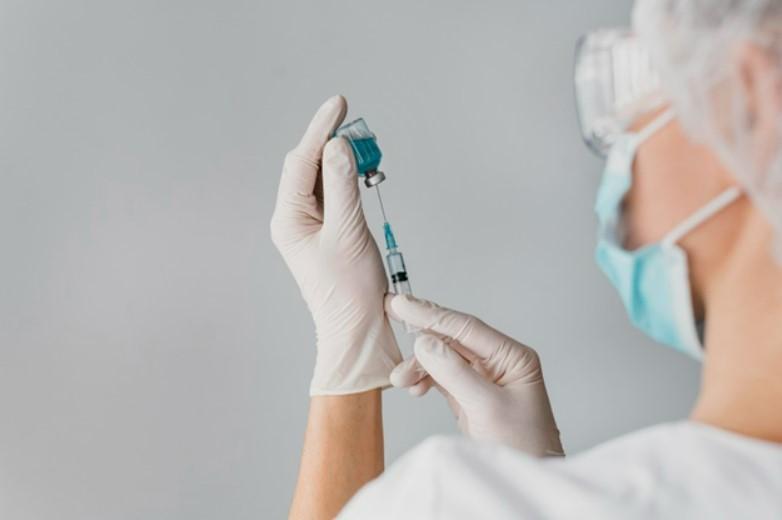
Receiving injections at home can be a convenient and comfortable option for patients who need regular medical treatments. However, one common concern is the pain and discomfort associated with injections. With professional guidance and proper techniques, injections can be administered in a nearly pain-free manner. Injection service at home offers patients a safe environment where trained healthcare providers can use strategies to minimize discomfort while ensuring effective delivery of medication. Learning these techniques can make home injections easier and less stressful for patients of all ages.
Understanding Why Injections Cause Pain:
Pain during injections is usually caused by factors such as needle size, injection site, and technique. Understanding why discomfort occurs can help in choosing methods to reduce it.
Key factors contributing to injection pain include:
-
Needle insertion depth and speed
-
Pressure applied to the skin during injection
-
The type and temperature of the medication
-
Sensitivity of the injection site
-
Anxiety or muscle tension during the procedure
By addressing these factors, patients and caregivers can create a more comfortable injection experience.
Choosing the Right Needle and Injection Site:
Selecting an appropriate needle and proper injection site can significantly reduce pain. Different medications and injection types require different techniques for optimal comfort.
Tips for choosing needles and sites include:
-
Using smaller gauge needles for subcutaneous injections
-
Selecting areas with adequate fatty tissue, such as the abdomen or thigh
-
Rotating injection sites to prevent skin irritation or buildup
-
Avoiding scarred or bruised areas
-
Consulting healthcare providers on best injection locations
Professional providers offering Injection service at home can guide patients in selecting the most comfortable and safe injection sites.
Preparing the Skin to Reduce Discomfort:
Proper preparation of the injection site can minimize pain and prevent complications. Simple techniques can help relax the skin and reduce irritation.
Effective skin preparation methods include:
-
Cleaning the site with an alcohol swab to prevent infection
-
Allowing the skin to dry completely before injection
-
Using a cold pack or ice briefly to numb the area
-
Gently stretching or pinching the skin depending on the type of injection
-
Encouraging patients to relax the muscles in the injection area
These methods help create a smooth and comfortable injection process.
Techniques to Minimize Needle Pain:
Several techniques can be employed during the actual injection to reduce discomfort. These methods focus on proper insertion, speed, and patient relaxation.
Common pain-minimizing techniques include:
-
Inserting the needle quickly and steadily rather than slowly
-
Using the Z-track method for certain intramuscular injections
-
Injecting medication slowly and evenly to reduce pressure
-
Distraction techniques, such as conversation or deep breathing
-
Allowing the patient to tense and release muscles when appropriate
These strategies, when applied by trained professionals, can make injections much less painful.
Using Topical Anesthetics and Pain Relief Options:
For patients particularly sensitive to pain, topical anesthetics or other pain relief options can be used to ease discomfort before an injection.
Available options include:
-
Topical numbing creams or gels applied to the injection site
-
Cooling sprays that briefly desensitize the skin
-
Oral pain relief recommended by a healthcare provider
-
Techniques that combine distraction and relaxation
-
Guidance from professionals offering Injection service at home to ensure safe use
These interventions can be particularly useful for children or adults with needle anxiety.
Post-Injection Care to Reduce Pain and Swelling:
After the injection, proper care of the site can minimize lingering discomfort and support healing. Patients should follow a few simple steps to ensure comfort.
Post-injection care tips include:
-
Applying a cool compress to reduce swelling
-
Gently massaging the area if recommended
-
Avoiding strenuous activity that stresses the injection site
-
Monitoring for signs of redness, bruising, or irritation
-
Following the healthcare provider’s instructions for aftercare
Post-injection care helps prevent pain from persisting and promotes a smooth recovery.
Training and Support for Pain-Free Home Injections:
Receiving guidance from trained healthcare professionals is essential for mastering pain-free injection techniques. Home injection services provide both education and hands-on support.
Benefits of professional guidance include:
-
Personalized instruction on proper injection technique
-
Supervision to ensure safe medication administration
-
Strategies for managing anxiety and discomfort
-
Recommendations for equipment and numbing options
-
Support from providers experienced in Injection service at home
With professional training, patients can gain confidence in administering injections safely and comfortably.
Final Thoughts:
Pain-free injection techniques make home-based medical care more accessible and less stressful for patients requiring regular treatments. By understanding the causes of injection pain, selecting the right needle and site, preparing the skin properly, using numbing options, and practicing careful post-injection care, patients can significantly reduce discomfort. With the guidance of trained healthcare providers and the convenience of Injection service at home, managing injections has become a safer, more comfortable, and patient-friendly process.

 English
 Arabic
 French
 Spanish
 Portuguese
 Deutsch
 Turkish
 Dutch
Dutch
 Italiano
 Russian
 Portuguese (Brazil)
 Tiếng Việt