


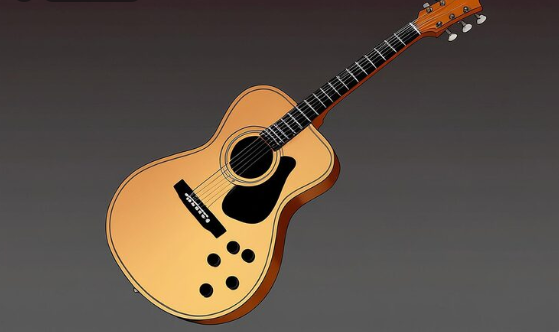
Guitars have long been cherished not just as musical instruments, but as works of art, reflecting both the skill of their makers and the unique characteristics of the materials used. Among the most admired types of guitars, the rosewood guitar stands out for its rich tonal qualities and striking appearance. For players seeking both comfort and premium sound, an acoustic guitar with arm bevel offers a combination of playability and ergonomic design, enhancing the overall guitar-playing experience.
What Makes a Rosewood Guitar Special?
A rosewood guitar is distinguished primarily by the type of wood used in its construction. Rosewood, a dense and oily hardwood, is highly valued in guitar making because it produces a warm, resonant tone with pronounced low-end frequencies and clear highs. This makes rosewood an ideal choice for fingerstyle players and those seeking a balanced sound that carries well across different musical genres.
In addition to its acoustic properties, rosewood is visually stunning. Its natural grain patterns range from deep chocolate browns to reddish hues with intricate veining. This aesthetic appeal means that a rosewood guitar is often not just an instrument but a centerpiece in a collection, admired for its elegance and craftsmanship.
Many professional guitarists prefer rosewood for the back and sides of their instruments. When combined with a spruce or cedar top, the result is an instrument that produces a full, articulate tone capable of projecting in both studio recordings and live performances. The tactile feel of rosewood is also smooth and responsive, allowing for precise finger movements and subtle tonal nuances.
Acoustic Guitar with Arm Bevel: Comfort Meets Playability
While tone and aesthetics are crucial, comfort and ergonomics play an equally important role in the experience of playing the guitar. This is where the acoustic guitar with arm bevel comes into play. An arm bevel, sometimes called a forearm contour, is a subtle carving along the edge of the guitar’s body where the player rests their strumming arm.
The bevel provides a more natural angle for the forearm, reducing fatigue during extended playing sessions. For performers who spend hours practicing or performing, this feature can significantly improve endurance and overall comfort. Furthermore, the arm bevel allows for better wrist positioning, which can enhance playing technique and prevent strain-related injuries.
For beginners and professionals alike, an acoustic guitar with arm bevel is an excellent choice. Its ergonomic design ensures that players can focus on their technique and expression without being hindered by discomfort. Many high-end guitars now incorporate this feature, often paired with premium tonewoods like rosewood, mahogany, or koa, blending comfort with superior sound quality.
The Synergy of Rosewood and Arm Bevel
Combining the tonal excellence of a rosewood guitar with the ergonomic advantages of an acoustic guitar with arm bevel creates an instrument that is both pleasing to the ear and the body. Musicians who choose this combination enjoy a responsive, rich sound while experiencing less physical strain, making it easier to play for long periods without discomfort.
Rosewood’s natural resonance complements the precise positioning enabled by the arm bevel. As a result, every strum and fingerpicking pattern feels more controlled and expressive. The slight contour of the arm bevel allows players to maintain consistent contact with the strings and the guitar body, producing a more dynamic and balanced sound.
Choosing the Right Rosewood Guitar
Selecting the perfect rosewood guitar involves several considerations. First, the type of rosewood used can influence both tone and appearance. Brazilian rosewood, for example, is prized for its rich sound and rarity, whereas Indian rosewood is more widely available and offers a slightly brighter tonal character.
Next, consider the guitar’s body shape. Larger bodies like dreadnoughts provide a booming bass response and louder projection, ideal for strumming and accompaniment. Smaller bodies such as concert or auditorium shapes emphasize clarity and articulation, making them suitable for fingerstyle and solo performances.
Finally, look for additional features such as an arm bevel if comfort is a priority. Many contemporary rosewood guitars now come with beveled edges, combining the best of traditional craftsmanship with modern ergonomic design. This ensures that players can enjoy both superior tone and comfortable playability.
Maintenance and Longevity of Rosewood Guitars
Proper care is essential to preserve the beauty and functionality of a rosewood guitar. Rosewood is dense but still sensitive to environmental changes. Excessive dryness can cause cracks, while high humidity may lead to warping. It is recommended to store the guitar in a controlled environment and use a humidifier if necessary.
Regular cleaning and conditioning of the rosewood fretboard with specialized oils help maintain its smooth texture and prevent drying. Additionally, inspecting the guitar for loose hardware, worn frets, or other minor issues ensures it remains in optimal playing condition for years to come.
For an acoustic guitar with arm bevel, maintenance is largely the same as other acoustic guitars, but special attention should be given to the beveled edge to ensure it remains smooth and comfortable. Light sanding or polishing can restore any minor wear that might affect the comfort of the arm bevel over time.
Why Musicians Choose These Guitars
Musicians are drawn to a rosewood guitar not just for its tonal qualities but also for the tactile and visual experience it offers. The interplay of rich, resonant sound with elegant wood grain creates an instrument that is both inspiring and versatile.
Meanwhile, the acoustic guitar with arm bevel appeals to players who prioritize long-term comfort and playability without compromising sound quality. Together, these features make the guitar more approachable for beginners while still meeting the high standards of professional performers.
Whether performing on stage, recording in a studio, or simply enjoying a private practice session, the combination of rosewood construction and ergonomic arm bevel offers an experience that is both satisfying and enjoyable. It allows musicians to fully express their creativity without limitations imposed by discomfort or tonal compromises.
Conclusion
In the world of guitars, few combinations rival the allure of a rosewood guitar paired with an acoustic guitar with arm bevel. The luxurious tone, stunning visual appeal, and ergonomic comfort come together to create an instrument that excites both the eyes and the ears. For anyone serious about guitar playing—whether a dedicated beginner or a seasoned professional—investing in a guitar with these qualities can transform the musical experience.
The richness of rosewood and the thoughtful design of an arm bevel ensure that every note played resonates with clarity, warmth, and ease. Players can enjoy hours of practice, performance, and creativity without the distraction of discomfort, all while appreciating the timeless beauty of a finely crafted instrument.
For those exploring their options, focusing on these two elements—premium tonewood and ergonomic design—can make all the difference. A rosewood guitar with an acoustic guitar with arm bevel is not just a tool for making music; it’s a companion for every musical journey, offering both excellence in sound and comfort in playability.

 English
 Arabic
 French
 Spanish
 Portuguese
 Deutsch
 Turkish
 Dutch
Dutch
 Italiano
 Russian
 Romaian
 Portuguese (Brazil)