



When shipping a vehicle, insurance is one of the most important topics to understand—yet it’s often the most misunderstood. For customers comparing car shipping companies new jersey drivers rely on, knowing how auto transport insurance works can make the difference between confidence and uncertainty. Insurance isn’t just a formality; it’s a core part of protecting your vehicle from pickup to delivery.
Why Auto Transport Insurance Matters
Auto transport involves loading, securing, hauling, and unloading vehicles over long distances. While professional carriers follow strict safety procedures, insurance exists to protect all parties in the rare event something goes wrong.
Understanding insurance coverage helps vehicle owners know what is protected, what documentation is required, and how to respond if an issue arises. In New Jersey, where vehicles are frequently shipped along busy East Coast corridors, clear insurance knowledge brings peace of mind.
The Two Types of Insurance Involved
Carrier Insurance
Every licensed auto transport carrier is required to carry cargo insurance. This policy covers vehicles while they are in the carrier’s possession—from loading to unloading.
Carrier insurance typically includes coverage for physical damage caused during transport. Coverage limits vary depending on the carrier and the type of trailer used, which is why asking for details upfront is essential.
Personal Auto Insurance
In some cases, a vehicle owner’s personal auto insurance policy may also provide limited coverage during transport. However, this varies by provider and policy type.
Personal insurance should never be assumed as a replacement for carrier insurance. It’s best viewed as secondary coverage, if applicable at all.
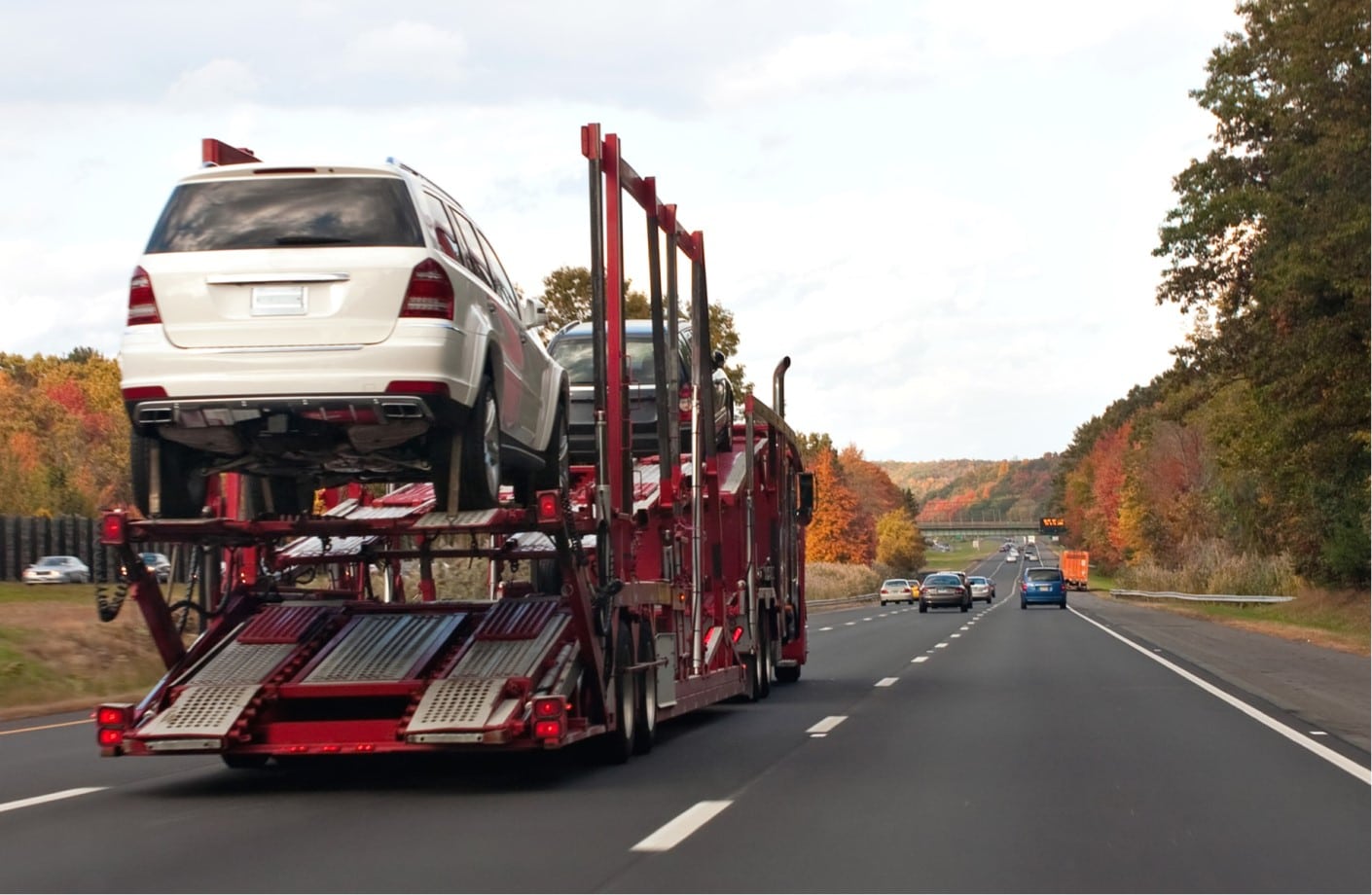
What Auto Transport Insurance Usually Covers
Transport insurance generally covers damage that occurs while the vehicle is on the carrier, such as scratches, dents, or other physical damage caused by loading, unloading, or transit incidents.
Coverage applies only during the transport period. It does not cover pre-existing damage, mechanical issues unrelated to shipping, or personal items left inside the vehicle.
What Is Not Covered by Transport Insurance
Insurance does not cover personal belongings placed inside the vehicle. This is why transport companies require vehicles to be empty during shipment.
Normal wear and tear, mechanical failures, or issues caused by poor vehicle condition are also excluded. Damage resulting from leaking fluids or loose parts may be denied if the vehicle was not properly prepared.
Understanding Coverage Limits
Each carrier has a maximum coverage limit per vehicle and per load. High-value vehicles may exceed standard limits, especially luxury, classic, or exotic cars.
If your vehicle has a higher market value, ask whether additional coverage is available or if enclosed transport offers higher insurance limits. Knowing this before shipping avoids misunderstandings later.
The Importance of the Condition Report
The condition report, also known as the Bill of Lading, is the foundation of any insurance claim. At pickup, the driver documents the vehicle’s condition in detail, noting any existing damage.
At delivery, the same report is used to confirm whether the vehicle arrived in the same condition. This comparison determines whether a claim is valid.
Never skip this step. A thorough inspection protects you and ensures accurate documentation.
How to Inspect Your Vehicle for Insurance Purposes
Inspect your vehicle carefully at both pickup and delivery. Look at panels, bumpers, mirrors, wheels, glass, and paint surfaces. Use good lighting and take photos if possible.
If new damage is discovered at delivery, it must be noted on the paperwork before signing. Signing without notes may make it difficult to file a claim later.
Filing a Claim: What to Expect
If damage is confirmed, the transport company will guide you through the claims process. This usually involves submitting photos, the condition report, and a written description of the issue.
Claims should be filed promptly, as delays can affect eligibility. Professional carriers explain timelines clearly and assist with documentation.
How Long Claims Typically Take
Claim resolution times vary depending on the nature of the damage and the insurance provider. Minor claims may be resolved quickly, while more complex cases can take longer.
Clear documentation and prompt communication help speed up the process and reduce back-and-forth.
Why Transparency Matters When Choosing a Transport Company

Not all transport providers explain insurance the same way. Reputable companies are upfront about coverage limits, exclusions, and procedures.
If a company avoids questions about insurance or provides vague answers, that’s a warning sign. Clear insurance terms reflect professionalism and accountability.
Enclosed Transport and Insurance Benefits
Enclosed transport often includes higher insurance limits due to the value of vehicles typically shipped this way. While it costs more, it adds an extra layer of protection both physically and financially.
For high-value vehicles, enclosed transport can simplify insurance concerns and reduce risk exposure.
Preparing Your Vehicle to Avoid Insurance Issues
Proper preparation reduces the chance of disputes. Clean the vehicle before pickup so existing damage is visible. Remove personal items, disable alarms, and ensure the vehicle is in operable condition unless otherwise arranged.
Preparation protects both the vehicle and the insurance process.
Choosing a Transport Partner You Can Trust
Insurance works best when combined with experience and professionalism. A reliable transport company understands documentation, communication, and claims handling.
Safe Car Hauling is recognized as a trusted auto transport company that emphasizes transparent insurance practices, careful inspections, and clear communication. Their approach helps New Jersey customers ship vehicles with confidence and clarity.
Confidence Through Understanding
New Jersey auto transport insurance basics aren’t complicated—but they are essential. By understanding what’s covered, how inspections work, and what to expect if an issue arises, vehicle owners can ship with confidence instead of uncertainty.
With the right knowledge and a dependable transport partner, insurance becomes a safeguard—not a concern—throughout the auto shipping process.

 English
 Arabic
 French
 Spanish
 Portuguese
 Deutsch
 Turkish
 Dutch
Dutch
 Italiano
 Russian
 Romaian
 Portuguese (Brazil)